 Ir al contenido

Cuidados de la demencia y respeto de los votos matrimoniales
- Por Lynn Wood
When we marry, we vow to love, honor, and cherish one another, in sickness and in health, for better or worse. Those words are easy to say when life is good, but they take on a much deeper meaning when illness enters the picture.
Asking for help, or accepting it, does not go against those vows. In fact, it may be one of the truest ways to uphold them.
Por qué la atención a la demencia es diferente de otras necesidades médicas
If our spouse needed dental work, we would seek out the best dentist. If they needed surgery, we’d research the most skilled specialist we could find. So why, when a loved one is diagnosed with Alzheimer’s or another form of dementia, do so many of us feel we must handle everything ourselves? It’s true, no one will love your spouse as deeply as you do. And no one else will do things exactly the way you would. But there is more than one way to provide excellent care. What matters most is the outcome: that your loved one is safe, supported, and surrounded by compassion.Colaboración con cuidadores profesionales de personas con demencia
Most caregivers were never taught how to care for someone living with dementia. It’s not something we prepare for, it’s something that arrives suddenly, changing everything. Partnering with professionals who understand dementia care doesn’t mean stepping back; it means sharing the load. It creates space for you to rest, grieve, and adapt to a “new normal.”La carga física y emocional de cuidar a un familiar
Caring for someone you love can take a tremendous physical and emotional toll. Many caregivers find their own health suffering in the process. If the roles were reversed — if you were the one needing care — how would you want it handled? Nearly every spouse I’ve spoken with answers the same way: “I’d want my partner to get help.”Pedir ayuda honra tu voto de amor
Asking for help is not weakness; it’s strength. It’s love in action. Finding the right care and support honors your vows, the promise to care for one another, no matter what life brings.Cómo empezar: Cómo pedir ayuda y organizar los cuidados
Si no está seguro de por dónde empezar, he aquí algunos primeros pasos que pueden hacer que el proceso resulte menos abrumador:- Start the conversation early. Talk openly with family members, trusted friends, or your faith community about your loved one’s needs and your own limits.
- Reach out for professional guidance. Contact organizations like Mental Health America of the MidSouth for resource referrals and emotional support.
- Build a care team. Make a list of tasks that can be shared, from transportation and medication management to companionship or meal prep, and invite others to take specific roles.
- Consider respite care. Even short breaks can protect your health and help you return to caregiving with renewed patience and strength.
- Prioritize your well-being. Schedule time for your own medical appointments, hobbies, and social connections. Caring for yourself is caring for your loved one.
Gracias por compartir
Facebook
X
LinkedIn
Pinterest
Correo electrónico
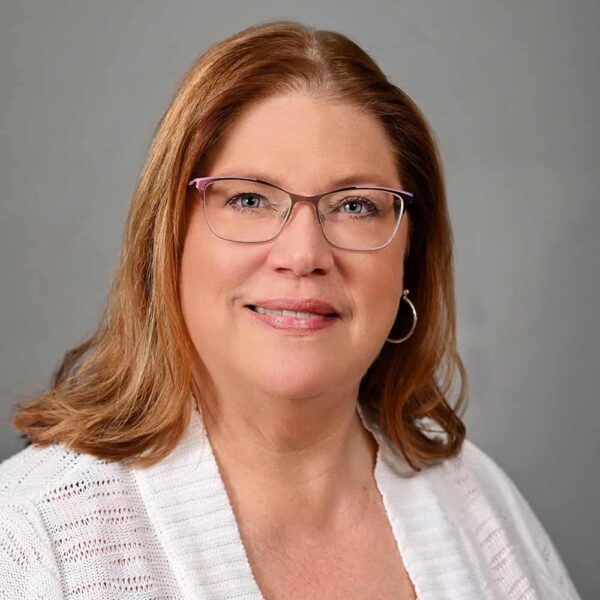
Especialista certificado en demencia Coordinador de apoyo al cuidador
Más entradas de nuestro blog
Recovery isn’t always visible. This National Recovery Month, discover how authentic storytelling helps challenge stigma and build understanding.
This November, we’re inviting all of Nashville to sit down with us over brunch and mark eight decades of building a stronger mental health network.
What is “unconscious bias”? You are not responsible for your first thought, but you are responsible for your second thought and your first action.